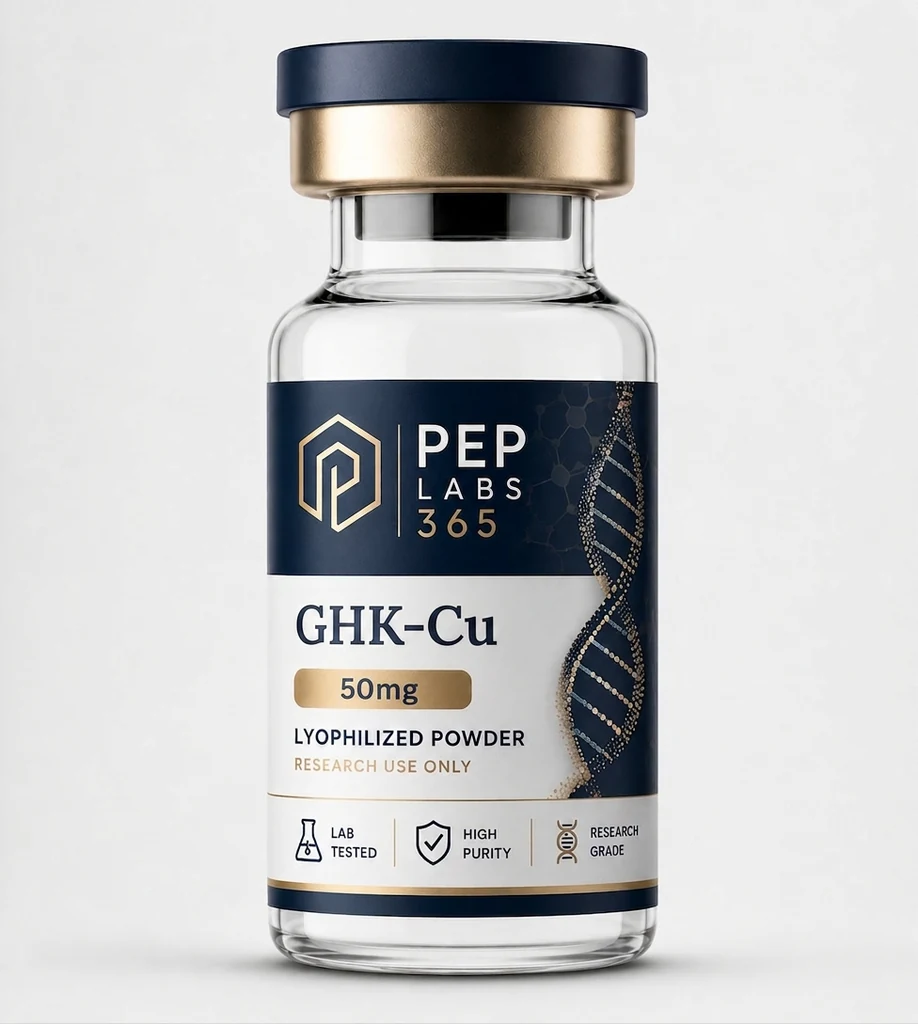
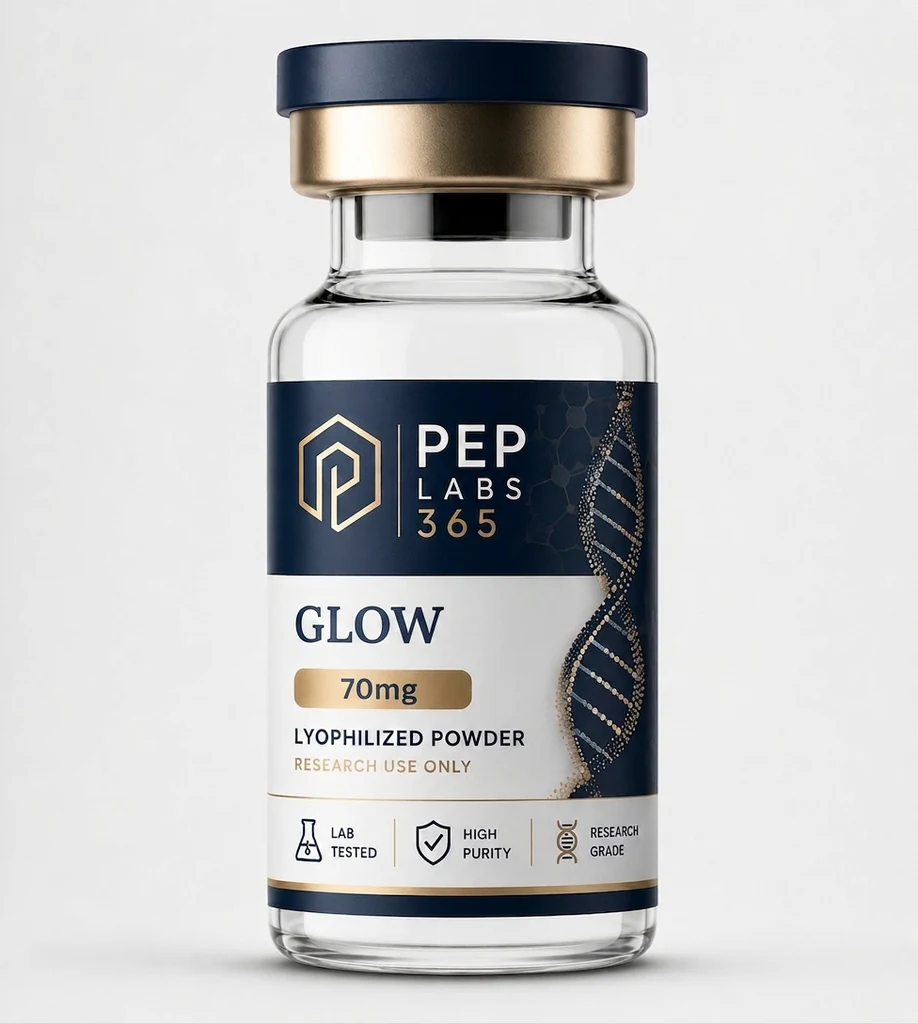
Reference overview of the peptides most often used in Texas cosmetic and dermal-research literature, including GHK-Cu and signaling fragments.
Written for the Texas research community, this reference brings together the documentation Texas cosmetic-science labs collect for cutaneous peptide research that labs from Austin to Houston, Dallas to San Antonio typically request when qualifying a new lot. Every batch we dispatch from our Texas warehouse ships with the analytical documentation described below.
Peptides used in skin and dermal research are typically grouped into four categories: signal peptides, carrier peptides, neurotransmitter-modulating peptides, and enzyme-inhibitor peptides. Each category has well-documented in-vitro endpoints used to compare lot performance across Texas dermal-science programs.
Signal peptides
Signal peptides — including GHK and the palmitoyl pentapeptide family — are studied for their ability to upregulate extracellular matrix gene expression in cultured fibroblasts. Published lab work most often references collagen I/III, elastin, and fibronectin transcript changes.
Carrier peptides
GHK-Cu is the most published carrier peptide. Its copper-binding capacity makes it a common positive control in copper-mediated antioxidant and matrix-remodeling studies.
Documentation expected
- Identity by HPLC and LC-MS
- Lot-specific purity
- Coordination metal quantification (for GHK-Cu)
- Endotoxin per published analytical method
Pep Labs 365 ships every research peptide from our Texas facility with a lot-matched Certificate of Analysis, third-party HPLC purity, and LC-MS identity confirmation.